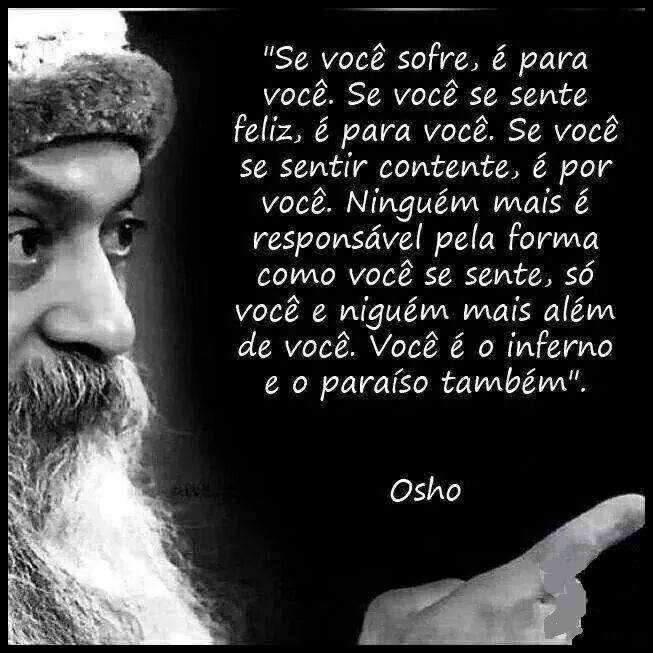
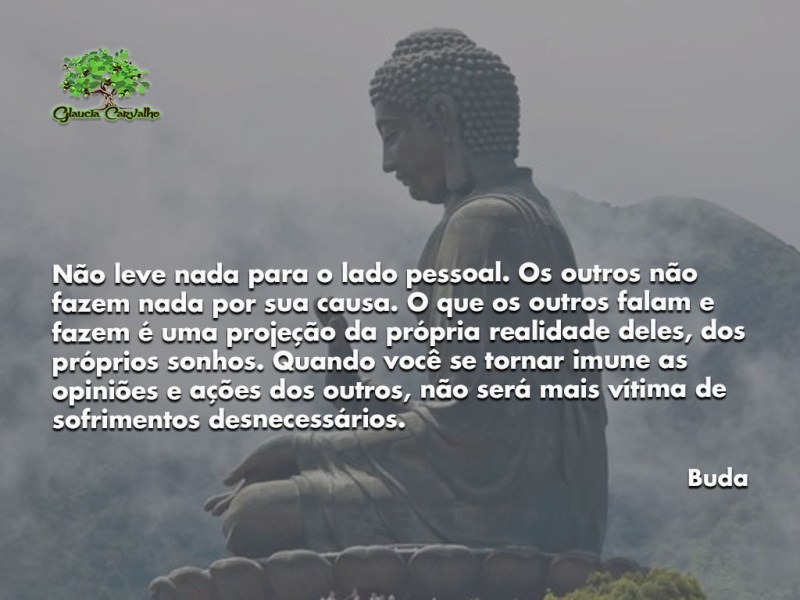
Os filhos dos homens

O que são os filhos dos homens senão folhas que caem ao sopro do vento? Tal como folhas eram aqueles teus queridos filhos; folhas também são as multidões, aquelas vozes pretensamente convincentes que gritam as suas aclamações, lançam as suas maldições ou zombam e escarnecem às escondidas; folhas também são todos aqueles em cujas mãos ficará a tua reputação daqui para a frente. Todos e cada um, eles «florescem na primavera», os ventos fazem-nos cair e logo a floresta põe nova verdura no seu lugar. A impermanência é o distintivo de todos e cada um; e, contudo, tu persegue-los ou foges deles, como se eles tivessem que sofrer para toda a eternidade. Dentro em pouco, os teus olhos fechar-se-ão; e pelo homem que te levar à sepultura, também pouco depois as lágrimas correrão.”

Poderão os deuses, que tão bem e tão benevolentemente conceberam tudo o resto, ter descurado o facto de que até os homens virtuosos, homens na mais íntima consonância com o divino e que vivem em íntima união com ele pelas suas boas acções e devoção, não conheçam um renascimento depois da morte, mas estejam condenados à completa extinção? Todavia, se é este, de facto, o seu destino, podem ficar certos de que se tivesse havido necessidade de diferente plano, isso assim teria sido organizado; se isso estivesse de acordo com a Natureza, a Natureza tê-lo-ia realizado assim. Portanto, não sendo assim (se na verdade não for assim), podes confiar em absoluto que não devia ser assim. Compreendes certamente que ao levantar questões inúteis como esta estás a inculpar a divindade? Porque, será que discutiríamos o assunto com os deuses se eles não fossem superiormente bons e justos? E se o são, como é que eles alguma vez permitiriam que alguma coisa fosse injusta ou insensatamente descurada nas suas determinações para o universo?”

Que pequena fracção de todo o tempo incomensurável e infinito nos é destinado a cada um; um instante, e desaparece na eternidade. Que ínfima, também, é a tua porção de toda a substância do mundo; que insignificante o teu quinhão da alma de todo o mundo; em que ponto miniatural de toda a terra tu rastejas. Ao pensares nestas coisas, convence-te de que nada tem qualquer importância salvo o fazer aquilo que a tua natureza te ordena e suportar aquilo que a Natureza do mundo te envia.”

Mudanças

Cria o hábito de observares regularmente o processo universal da mudança; fá-lo com frequência, e instrui-te plenamente neste ramo do estudo; não há nada que mais elevação dê ao espírito.

Olha do alto os inúmeros rebanhos de humanos com as suas misteriosas cerimônias, as suas variadas navegações nas tempestades e na acalmia, e todo o xadrez das suas idas e vindas e ajuntamentos. Continua, depois, a considerar a vida das gerações passadas; e depois a vida daqueles que ainda estão para vir, e, até no presente, a dos rebanhos dos selvagens longínquos. Em resumo, reflete sobre as multidões que ignoram mesmo o teu nome; quantos mais o terão esquecido rapidamente; quantos, talvez agora a elogiar-te, não te irão injuriar muito em breve, e que, portanto, a memória, a glória e tudo o mais junto são coisas de nenhum valor. Muitas das ansiedades que te perturbam são supérfluas; sendo apenas criações da tua imaginação, podes ver-te livre delas e expandir-te para uma região mais ampla, deixando o pensamento varrer todo o universo, contemplando os ilimitados campos da eternidade, notando a rapidez da mudança em cada coisa criada, e contrastando o breve espaço de tempo entre o nascimento e a dissolução com as infindáveis eternidades que precedem um e o infinito que se segue à outra. Num instante apenas, tudo isto que agora tens diante dos olhos terá já desaparecido. Aqueles que testemunham a sua passagem seguirão o mesmo caminho pouco depois; e então que escolha haverá para fazer entre o avô mais velho e o bebé que morre no seu berço?

Em breve a terra cobrir-nos-á a todos. Depois, a seu tempo, a terra também mudará; mais tarde, o que resulta desta mudança mudará também, por sua vez, incessantemente, e assim tudo tomará de novo, e por sua vez, o seu lugar, até ao fim do mundo. Deixar o espírito repisar nestas vagas giratórias de mudança e transformação é conhecer um desprezo por todas as coisas mortais.

Pensa muitas vezes como toda a vida de hoje é uma repetição do passado; e observa que ela também pressagia o que está para vir. Revê os muitos dramas acabados e os seus cenários, todos tão semelhantes, que tens conhecido na tua experiência, ou da história passada: todo o círculo da corte de Adriano, por exemplo, ou a corte de António, ou as cortes de Filipe, Alexandre e Cresus. A representação é sempre a mesma, só os actores mudam.”

Why do I continuously think of commiting suicide?

YOU MUST BE INTELLIGENT. Only stupid people never think of suicide. Life is so ugly, life is such a hell. It is very difficult to find an intelligent person who never thinks of committing suicide. The more intelligent you are, the more the idea will be coming again and again: Why go on living? For what? For this same rut? – going to the office every day, doing the same files every day, coming back every day, talking about the same things, reading the same newspaper, listening to the same stupid radio station… going to sleep, just to get up early in the morning and catch the train to the office….

And so on and so forth, every day, year in and year out. Only a very very mediocre person can go on living. Otherwise, one day or other, the idea arises: “What am I doing here? If this is the way life goes, I have lived for forty years repeating the same thing, I may live forty years more, repeating the same things again – then what? Then why not stop this game? Why not return the ticket to God and say, “I am finished. Enough is enough!”

The idea of suicide comes to everybody. That’s why it is only man who thinks of suicide – no other animal. It is only man who ponders over the idea of suicide, and sometimes commits suicide. It simply shows intelligence and nothing else.

And particularly in the modern society, man thinks more of suicide – because modern society has become more mature, more intelligent, more educated, more sophisticated. In the old days, people were not thinking of suicide so much, for many reasons. In the old days, people were not individuals.

They belonged to groups, castes, religions, countries. They had no individual existence as such – and only individuals can commit suicide, remember.

When you have the idea that you are an individual, then the possibility opens up: you can destroy yourself. In the past, man has lived as part of a collective mind. And a collective mind is not a very intelligent mind. The collective mind lives according to the lowest denominator – it cannot reach to the highest peaks of understanding, of vision, of seeing. The collective mind lives in a meaningless rut, thinking that this is meaningful – because everybody else is doing the same, so it must be meaningful.

The modern mind is at a loss, the meaning is lost. You have to decide your own meaning. In the old days, when a son was born to a carpenter then he was going to be a carpenter. It was decided, already decided. His parents, his parents’ parents… as far back as one could remember, they have always been carpenters. So he is a carpenter – he knows his identity, who he is. He knows what he has to do. The society prescribes every rule, every regulation, he has simply to follow it. It is living below individuality – and nobody can think of suicide when you live below individuality.

When you start becoming an individual, when you start standing on your own, then suddenly you see the point: “What is the purpose of it all? What am I doing here?”

Secondly, in the modern world, everybody has to choose his own identity. That is a great effort. And when you choose your own identity it is always with a suspicion – it may be right, it may not be right.

In the old days, when a man was born to a brahmin family he knew that he was a brahmin. There was no need to think about it, it was predetermined. All was given to him as a blueprint – he had just to live it. The whole script was supplied by the society, he was just an actor in a drama.

Now the problem is more complicated. You have to write the drama, you have to create the stage, you have to find the actors. You are the director and the actor and the story-writer and the song- writer. You are the stage – and not only that, you are the audience too. How can you be absolutely certain who you are? Modern man is living continuously in what psychoanalysts call “the identity crisis”.

In the old days, the authority was there to tell you what was right and what was wrong. You were not left on your own to decide. Things were clear-cut: “This is right and that is wrong.” People followed the authorities.

Now authorities have disappeared, the world is living in a kind of freedom. The more a society is free, the more people will think of suicide. the more a society is free, the more people will COMMIT suicide.

In the East, particularly in India, the so-called religious saints feel very very enhanced by the idea that the suicide rate in India is very low compared to America. And they think America is committing suicide because it is materialist. They are utter fools – America is committing suicide more because America has more freedom. America is more tense, in anxiety, because America is creating individuality. India is not yet that free; India still lives in the past. America is trying to live in the present AND in the future – hence the problem: anguish.

America is paralyzed. Because when you have to decide on your own what is right and what is wrong, and there are no more absolute criterions left – no Vedas, no Manu, no Moses, no Mahavir, nobody saying to you “This is right” – you have to decide on your own. Hesitation arises, confusion arises.

Freedom is always confusing. A slave lives in a relaxed way; he need not worry – whatsoever the master says, he follows. He has no anxiety. If it is wrong, the master is responsible. If it is right, the master knows. He is just to follow. His is not to ask why – he has to do and die. He is a mechanical robot.

I have heard:

In the novel MOTHER NIGHT Kurt Vonnegut portrays the desperate woman Resi beseeching her lover thus:

“Then tell me what to live for – anything at all. It does not have to be love. Anything at all!” She gestured at objects around the shabby room, dramatizing exquisitely the sense of the world’s being a junk shop. “I will live for that chair, that picture, that furnace pipe, that couch, that crack in the wall!

Tell me to live for it, and I will!” she cried. “Just tell me what it should be!”

There is nobody to tell you. In the old days, everything was told to you, nothing was left to you. Parents were telling you, “Marry this woman.” Astrologers were deciding that this was the right woman for you, and you were marrying a certain woman because your parents decided, the astrologer decided, your birth chart decided. You were not deciding yourself. When you were not deciding, there was no anxiety.

Now you have to decide yourself. There are millions of women in the world – whom to choose? How to decide whether this woman is going to be a heaven or a hell? There is no way to predict. One is in a turmoil. The profession has to be decided – to which to belong? Religions have no more grip; a Christian does not really feel like belonging to the church. Now all the ground underneath your feet has disappeared.

Unless you are an absolutely mediocre person, it will be very difficult for you not to think of suicide.

Suicide seems to be a great release – a release from anxiety, a release from choosing, a release from alternatives.

In the novel CAT’S CRADLE one character holds that “We doodely do, what we muddily must, until we bodily bust.”

If you are a person like that, then there is no question of suicide. Intelligence thinks about whether life is worth living; intelligence never takes anything for granted.

So the first thing I would like to tell you… you ask: WHY DO I CONTINUOUSLY THINK OF COMMITTING SUICIDE?… is that you are an intelligent person. DON’T feel guilty, every intelligent person thinks that way. This is the beginning of intelligence, although not the end. And by committing suicide, nothing is changed. You will be born again, and the whole nonsense will start, from ABC.

That is pointless. When you are thinking of suicide, that simply says you are thinking that this life that you have lived up to now is not worth living.

But there are possibilities in it which you have not tried yet. I say to you: This life can become a great joy. It became a great joy to Krishna, it became a great ecstasy to Christ, it became a jubilation to Buddha, it is a benediction to me – why can it not be so to you?

And all these people had been thinking of suicide, remember. To think of suicide is to grope for sannyas. To think of suicide simply means THIS life is finished – but there are other alternative lives possible. One need not destroy this beautiful gift of God. The life that you have lived is not the only alternative. It can be lived in a thousand and one ways – there are other ways to live it.

You may have lived a life without love. Why not try love? You may have lived a life obsessed with money. Why not live a life unobsessed with money? You may have lived a life which hankers to possess. Now live a life which is not worried about possessing anything. You may have lived a life of respectability – you may have always been considering what people think about you, what their opinion is. There is a life to live without bothering what others are thinking about you; there is a life to live individually and rebelliously.

There is a life to live which is of adventure and not of social conformity. There is a life of meditation, of God, of search, of going within. You may have lived an outside life, chasing this and chasing that.

I make available to you another life of not chasing anything, but sitting silently, disappearing within your being. A life of interiority.

And you will be surprised – the whole idea of suicide will disappear like dewdrops in the morning sun, and you will stumble upon a life which is eternal.

Albert Camus has said:

“What counts is not the best living, but the MOST living. To two men living the same number of years, the world always provides the same sum of experiences. It is up to us to be conscious of them. Being aware of one’s life, one’s revolt, one’s freedom, and to the maximum, is living, and to the maximum.

Become free of your so-called life that you have lived up to now. DON’T commit suicide! Let your past commit suicide. Start living afresh, moment to moment. DON’T live in desires, but live in a kind of desirelessness.

You have lived a life of strain, effort, struggle. Now start living a life of relaxation, calm and quiet.

And you will be surprised – you have been missing life, not because life is worthless. You have been missing life because you have been taught to live a worthless kind of life.”

OSHO
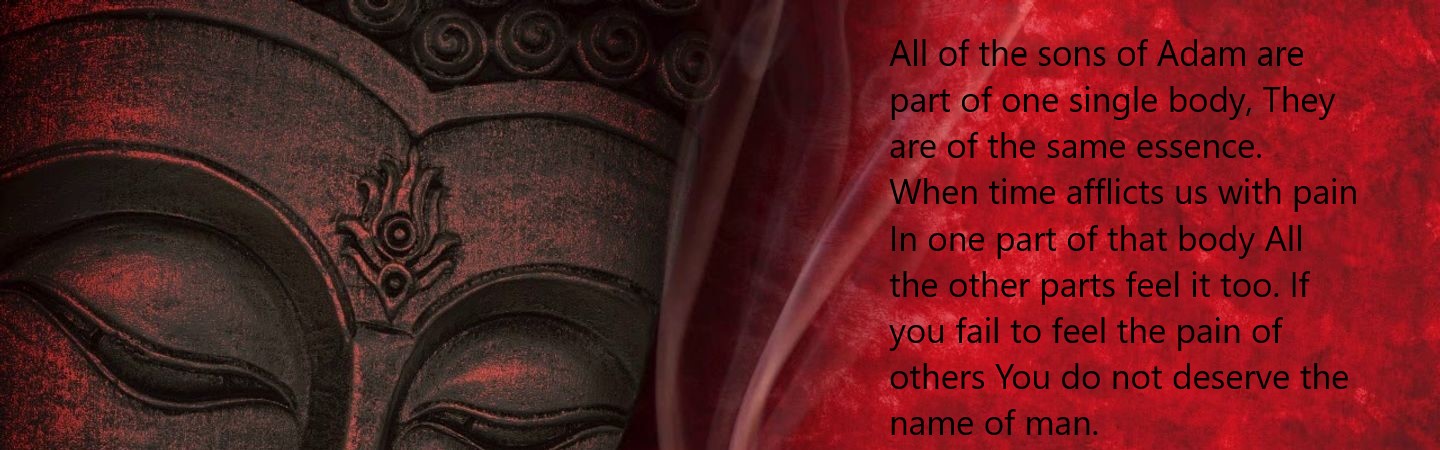
Meditação

“Seu progresso deve ser observado em seus relacionamentos. O relacionamento é o espelho: dá para ver seu rosto ali. Deve-se lembrar sempre que o relacionamento é o espelho. Se a meditação for profunda, os relacionamentos vão se tornar diferentes, totalmente diferentes! O amor será a nota básica dos relacionamentos, e não a violência. Como está, a violência é a nota básica. Mesmo que a pessoa apenas olhe para alguém, esse olhar é violento. Mas a pessoa está acostumada a isso. A meditação para mim não é uma brincadeira de criança, mas uma transformação profunda. Como conhecer essa transformação? É refletida a cada momento nos relacionamentos. Se uma pessoa tenta possuir alguém, então essa pessoa é violenta. Como pode uma pessoa possuir alguém? Se uma pessoa tenta dominar alguém, então essa pessoa é violenta. Como pode uma pessoa dominar outra? O amor não pode ser dominado, o amor não pode ser possuído. Portanto, a pessoa deve ficar atenta e observar tudo o que estiver fazendo e, então, dar prosseguimento à meditação. Em breve vai começar a sentir a mudança. Agora, não existe possessividade nos relacionamentos. Aos poucos, ela desaparece, e quando não estiver mais lá, o relacionamento terá uma beleza própria. Quando a possessividade está lá, tudo se torna sujo, feio, desumano. E as pessoas são tão enganadoras que não olham para si mesmas nos relacionamentos, pois lá a verdadeira face pode ser vista. Portanto, fecham os olhos para seus relacionamentos e continuam a achar que algo vai ser visto por dentro. Você não pode ver nada por dentro. Isso porque, primeiro, você vai sentir sua transformação interior nos relacionamentos externos, para daí então ir fundo. Só depois é que vai começar a sentir algo interiormente. Portanto, aprofunde-se, penetre em seus relacionamentos, e observe-os para verificar se a meditação está progredindo ou não. Se você sente um amor crescente, um amor incondicional, uma compaixão sem motivo, uma profunda preocupação com a saúde e com o bem-estar de todos, é porque a meditação está progredindo. Portanto, deve esquecer todas as outras coisas. Com essa observação, vai passar a observar muitas coisas em si mesmo. Ficará mais em silêncio e menos agitado por dentro. Quando houver necessidade, falará; quando não houver necessidade, ficará em silêncio. Como é o caso neste momento: não pode estar em silêncio interiormente. Vai se sentir mais à vontade, mais relaxado. Qualquer coisa que esteja fazendo, será um esforço relaxado, não haverá tensão. Vai ficar cada vez menos ambicioso. Por fim, não haverá nenhuma ambição. Até mesmo a ambição de alcançar o moksha (termo hindu que se refere à libertação do ciclo do renascimento e da morte e à iluminação espiritual) não vai estar lá. Quando a pessoa sente que até o desejo de alcançar o moksha desapareceu, é porque alcançou o moksha. Agora ela está livre, pois o desejo é uma escravidão. Até mesmo o desejo de libertação é uma escravidão. E até o desejo de não ter desejo é uma escravidão. Sempre que o desejo por algo desaparece, a pessoa se move em direção ao desconhecido. A meditação chegou ao seu fim. Daí então sansar (mundo) é moksha: esse mesmo mundo é a libertação. Então esta margem é a outra margem.”

Quando o amor se torna apego

“Quando o amor se torna apego, torna-se um fardo, uma prisão. Mas por que é que o amor se torna apego? A primeira coisa a entender é que, se o amor se torna apego, você estava a iludirse, a enganar-se ao pensar que era amor. Realmente. Precisava de uma ligação. E se for ainda mais longe, descobrirá que estava com necessidade de se tornar um escravo. Existe um medo subtil da liberdade, e toda a gente quer ser escrava. Toda a gente, claro, fala sobre liberdade, mas ninguém tem coragem de ser realmente livre, porque, quando é realmente livre, está-se só. Se tem a coragem de estar só, só então pode ser livre. Mas ninguém é suficientemente corajoso para estar só. Você precisa de alguém. Por que precisa de alguém? Porque tem medo da sua solidão. Você cansa-se de si mesmo. E realmente, quando está só, nada lhe parece significativo. Com alguém você está ocupado e cria um significado artificial à sua volta. Como não pode viver para si mesmo, começa a viver para outra pessoa. E o mesmo se passa com a outra pessoa – ele ou ela não conseguem viver sozinhos, por isso procuram alguém. Duas pessoas que receiam a sua própria solidão juntam-se e começam um teatro – um teatro de amor. Mas lá bem no fundo buscam apego, compromisso, dependência. Mais cedo ou mais tarde, o que se deseja acontece. Este é um dos aspetos mais infortunados deste mundo. O que quer que deseje acontece. Você tê-lo-á, mais cedo ou mais tarde, e o divertimento desaparecerá. Quando a sua função estiver concluída, desaparecerá. Quando se tiver tornado mulher ou marido, escravos um do outro, quando o casamento ocorrer, o amor desaparecerá, porque o amor era só uma ilusão na qual duas pessoas podiam tornar-se escravas uma da outra. Você não pode objetivamente pedir a escravatura; é muito humilhante. E não pode dizer frontalmente a alguém: “Sê meu escravo.” Ele ficará revoltado! Nem poderá dizer: “Quero ser tua escrava.” Mas poderá dizer: “Não posso viver sem ti.” Mas o significado está lá; é o mesmo. E quando o verdadeiro desejo é preenchido, o amor desaparece. Então a servidão, a escravatura, instala-se e você começa a lutar para se libertar. Lembre-se disto. É um dos paradoxos da sua mente; o que quer que possua irá cansá-lo, e o que quer que deseje e não consiga obter irá sempre desejar. Quando está só, desejará alguma escravidão, alguma servidão. Quando se encontra numa situação de servidão, começará a desejar ser livre. Só os escravos desejam a liberdade e só as pessoas livres tentam de novo ser escravas. A mente funciona como um pêndulo, movendo-se de um extremo para o outro.”

Como vejo o mundo

“Vejo os homens se diferenciarem pelas classes sociais e sei que nada as justifica a não ser pela violência. Sonho ser acessível e desejável para todos uma vida simples e natural, de corpo e de espírito. Recuso-me a crer na liberdade e neste conceito filosófico. Eu não sou livre, e sim às vezes constrangido por pressões estranhas a mim, outras vezes por convicções íntimas. Ainda jovem, fiquei impressionado pela máxima de Schopenhauer: “O homem pode, é certo, fazer o que quer, mas não pode querer o que quer”; e hoje, diante do espetáculo aterrador das injustiças humanas, esta moral me tranquiliza e me educa. Aprendo a tolerar aquilo que me faz sofrer. Suporto então melhor meu sentimento de responsabilidade. Ele já não me esmaga e deixo de me levar, a mim ou aos outros, a sério demais. Vejo então o mundo com bom humor. Não posso me preocupar com o sentido ou a finalidade de minha existência, nem da dos outros, porque, do ponto de vista estritamente objetivo, é absurdo. E no entanto, como homem, alguns ideais dirigem minhas ações e orientam meus juízos. Porque jamais considerei o prazer e a felicidade como um fim em si e deixo este tipo de satisfação aos indivíduos reduzidos a instintos de grupo. Em compensação, foram ideais que suscitaram meus esforços e me permitiram viver. Chamam-se o bem, a beleza, a verdade. Se não me identifico com outras sensibilidades semelhantes à minha e se não me obstino incansavelmente em perseguir este ideal eternamente inacessível na arte e na ciência, a vida perde todo o sentido para mim. Ora, a humanidade se apaixona por finalidades irrisórias que têm por nome a riqueza, a glória, o luxo. Desde moço já as desprezava. Tenho forte amor pela justiça, pelo compromisso social. Mas com muita dificuldade me integro com os homens e em suas comunidades. Não lhes sinto a falta porque sou profundamente um solitário. Sinto-me”

Pois é…

“No entanto, os juízes eram um pouco melhor do que as pessoas comuns. Disseram a Sócrates: “Vamos lhe dar algumas alternativas. Se deixar Atenas e prometer nunca mais voltar, pode se salvar da morte. Ou, se quiser permanecer em Atenas, então deve parar de falar, ficar em silêncio. Depois também podemos persuadir o povo a deixá-lo viver. Caso contrário, a terceira alternativa é que amanhã, quando o sol se pôr, você terá que beber veneno.” O que Sócrates fez? Disse: “Estou pronto para tomar o veneno amanhã ou hoje, quando quer que o veneno esteja pronto, mas não posso parar de dizer a verdade. Se estiver vivo, vou continuar a dizê-la até meu último suspiro. Além disso, não posso deixar Atenas apenas para me salvar, porque depois vou sempre me sentir um fraco que ficou com medo da morte, que escapou da morte, e que não pôde assumir a responsabilidade da morte também. Tenho vivido de acordo com a minha própria forma de pensar, sentir e ser, e quero morrer também dessa forma. “E não se sinta culpado. Ninguém é responsável por minha morte. Sou eu o responsável. Eu sabia que isso estava prestes a acontecer, já que falar a verdade em uma sociedade que vive de mentiras, fraudes e ilusões é pedir para morrer. Não culpo essas pessoas pobres que decidiram por minha morte. Se alguém é responsável, esse alguém sou eu. E quero que todos saibam que vivi assumindo responsabilidades por mim mesmo e vou morrer dessa mesma forma. Em vida, fui um indivíduo. Na morte, sou um indivíduo. Ninguém decide por mim, sou eu quem decide sobre o meu destino.” Isso é dignidade. Isso é integridade. Isso é o que um ser humano deveria ser. E se a Terra como um todo fosse cheia de pessoas como esse homem, seria possível fazer desta Terra um local tão bonito, com muito êxtase, abundante em tudo…”

Man of No Ego

Blinkers Removed(& Osho)

    Than for the first time you look around

    And the beauty of nature is revealed

    Then you listen to the harmony of the universe

    The symphony of the stars

    Than everything starts to become more and more beautiful

    Layers and layers of beauty are revealed

    You eyes have a penetrating force

    Wherever you look

    You go deep

    Even in rocks

    You feel flowers blossoming

    What you are

    In this vast universe

    Not even a small cell

    If you listen to the ego

    The ego will put you again and again

    On a neurotic path

    The path of being somebody

    11.00

    For your real being no competition is needed

    You are already that

    The highest

    13.02

    But man is very egoistic

    He cannot feel at ease

    Just to be himself

    He wants some great mission

    To be attached to his ego

    I don’t see any

    The whole may have something

    But no individual has it

    15.43

    Life you can live, as if you are in a hypnosis

    That is how 99% people live

    Or you can live with intensity, awareness

    If you live life with awareness

    You mature

    A Mature ones, never dies

    Because he will learn even through death

    Even death is going to be an experience

    To be intensively lived

    Watched

    Allowed

    Everything that is, is now

    Everything that is alive is now alive

    Now is the only time

    The only eternity

    32.49

    Darkness does not exist

    It only appears to be

    In fact it is just an absence of light

    Light exists

    Remove the light

    There is darkness

    35.08

    This moment is all

    And my insistence is this

    That you are already that which you are searching

    35.56

    A child is energy

    Sheer delight and energy

    Just jumping for no reason

    And so happy

    That even if you reached to the paradise

    You will not jump like that

    And he is jumping for nothing

    Or he has gathered few collored stones

    And is simply mad with delight

    Be like a child

    And always retain

    The purity

    37.55

    Life is a river

    A flow

    A continues

    With no beginning

    And no end

    It is not going somewhere

    It is always here

    38.50

    Enlightenment is not something that you have to choose

    When there is no choice

    That which remains is enlightenment

    41.04

    The ego is afraid

    It is saying

    What are you doing

    Loosing yourself

    44.52

    Listen to the gaps

    Between the words

    Listen to the emptiness

    Between the lines

    Listen to me not what I say

    Then an understanding will arise

    And suddenly like a flash of lightening

    You will be able to see me

    And the original that is right now happening before you

    Music does not mean much

    In fact it doesnt mean at all

    Just sounds

    But music gives you something of the unknown

    54.05

    Life seems just a shadow of breath

    when breath disappears

    Life disappears

    So this phenomena of breath

    Has to be understood

    56.43

    This is the way to live

    One moment

    Be in it

    But be in it so totally

    That nothing is left be to carried in another moment

    Never carry on things from the past, it is gone

    Every moment, be rid of it

    Solved or not solved

    Nothing can be done about it

    Drop it off

    57.42

    Why this constant inquiry

    What to do

    Can’t you allow life in any way

    58.44

    You can waste your life easily, with comfort

    You can live comfortably

    And you can die comfortably

    With me, there is danger